
Start with the bay. Choose the road after.
Keep the first day close to the water, then compare river, falls and west-coast routes by pickup, road time and the hours that remain once you arrive.
A short list for the first booking.
Start with one close-to-town outing and one longer road day. These reviews make it easier to compare pickup zones, admission, travel time and the part of the day left for everything else.
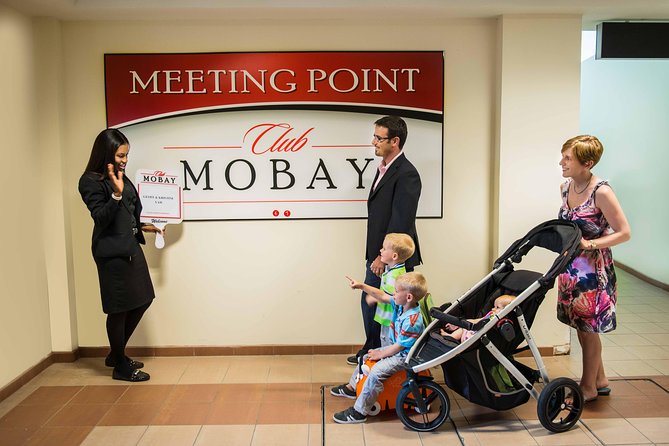
Club Mobay Sangster Airport VIP Lounge with Priority Entry
Club Mobay VIP Lounge at Sangster Airport adds priority entry, a stress-free lounge with Wi-Fi, snacks, and staff help for arrivals and departures.
From $37 per person
Read the review → ★ 5.0Traveller favouriteRastafari Cultural ATV Community Experience from Montego BayFrom $1641,959 reviews
 ★ 4.0Books out fastMontego Bay Airport (MBJ) Transfer One-Way or Round-Trip to HotelFrom $181,437 reviews
 ★ 4.5Crowd-pleaserJamaica All-Access Adventure Pass at Ocean OutpostFrom $1631,193 reviews
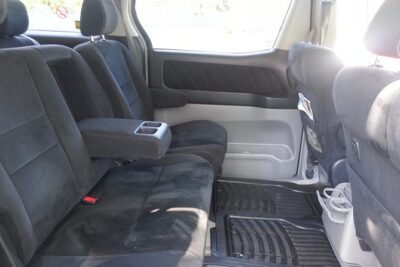 ★ 5.0Worth the early startMontego Bay Hotels Airport Private TransferFrom $20933 reviews
 ★ 5.0Easy winTriple Action pack Combo (Blue Hole, Horse back riding and river tubing)From $141669 reviews
 ★ 4.5Local classicBamboo Rafting and horsebackFrom $142556 reviews
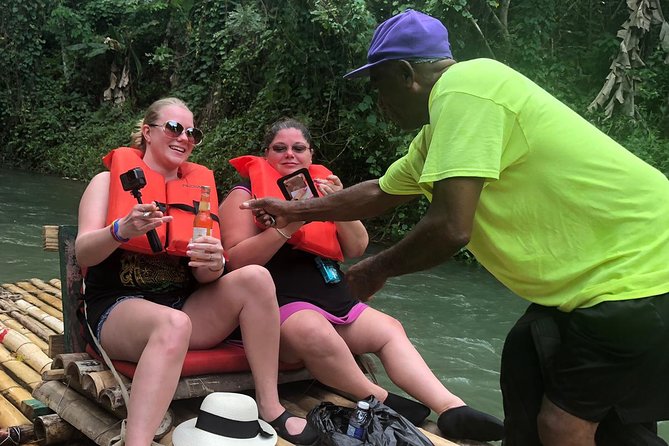
The river sets the pace.
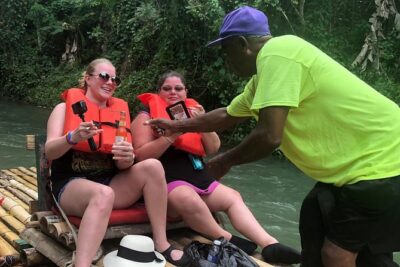
Martha Brae is a guided float, not a white-water ride. Compare pickup distance, admission and time on the raft, especially when another stop is added to the same booking.
Dunn’s River or Blue Hole?
Both routes run well east of Montego Bay. Dunn’s River is the famous climb; Blue Hole is built around pools, short walks and optional jumps. Compare drive time, admission and added stops.
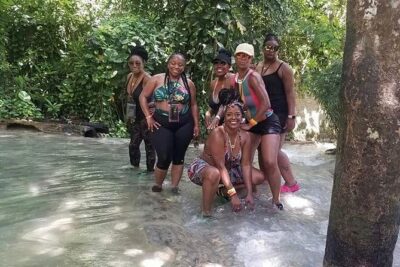 The postcard climb
Dunn’s River Falls
from $180 · 28 reviews
Dunn’s River is the famous linked climb and an established full day from Montego Bay. Compare departure time, admission, water-shoe requirements and whether another Ocho Rios stop makes the schedule too tight.
See the Dunn’s River trips →
The postcard climb
Dunn’s River Falls
from $180 · 28 reviews
Dunn’s River is the famous linked climb and an established full day from Montego Bay. Compare departure time, admission, water-shoe requirements and whether another Ocho Rios stop makes the schedule too tight.
See the Dunn’s River trips →
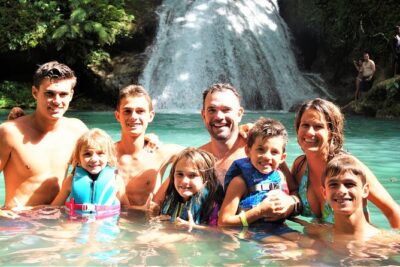 Pools and optional jumps
Blue Hole
from $125 · 973 reviews
Blue Hole trades the linked climb for river pools, short walks and optional jumps. Check how long the tour stays at the water, whether admission is included and which extra stop is sharing the eastbound drive.
Compare the Blue Hole days →
Pools and optional jumps
Blue Hole
from $125 · 973 reviews
Blue Hole trades the linked climb for river pools, short walks and optional jumps. Check how long the tour stays at the water, whether admission is included and which extra stop is sharing the eastbound drive.
Compare the Blue Hole days →
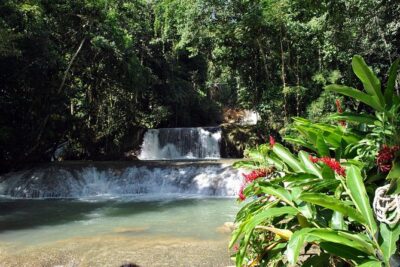 Rope swing and rum
YS Falls
from $195 · 90 reviews
YS Falls points south-west rather than east and often shares a route with Appleton Estate, Black River or Pelican Bar. Compare the drive, included admissions and how much unhurried time the booking leaves at the falls.
See the South Coast falls →
Rope swing and rum
YS Falls
from $195 · 90 reviews
YS Falls points south-west rather than east and often shares a route with Appleton Estate, Black River or Pelican Bar. Compare the drive, included admissions and how much unhurried time the booking leaves at the falls.
See the South Coast falls →
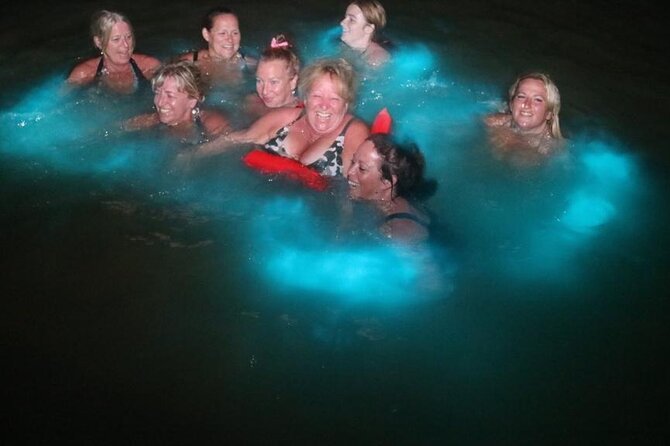
Plan the lagoon after sunset.
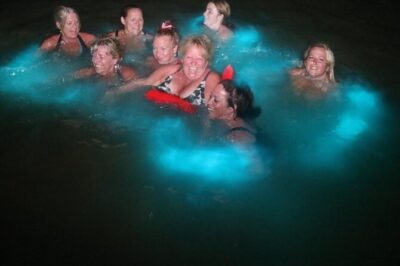
Luminous Lagoon tours leave after dark and usually include the road to Falmouth. Compare pickup coverage, boat size and time on the water; weather and moonlight can affect what is visible on any given night.
Choose the boat by the hours on the water.
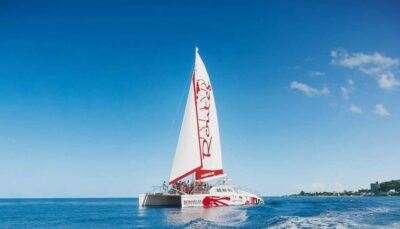
Some cruises centre on snorkeling, while others are music-led sails with a short swim stop. Compare passenger numbers, pickup area, actual water time and what the bar or meal package includes.
Match the adventure to the transfer.
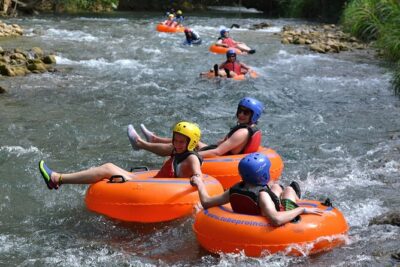
ATV, zipline, horseback and river-tubing products can be short single activities or long combinations. Check the operating area, transfer time, age limits and which admissions are already in the price.


Rose Hall works by day or after dark.
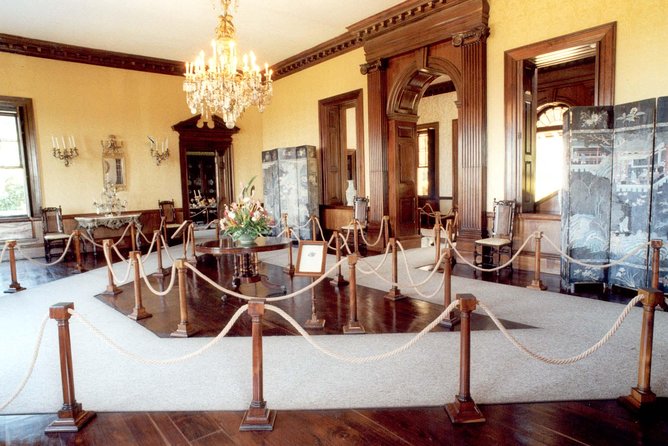
Day visits focus on the great house and estate history; evening tours lean into the White Witch story. Compare the admission format, pickup zone and whether city or shopping stops are bundled into the route.
The coast, stretch by stretch.
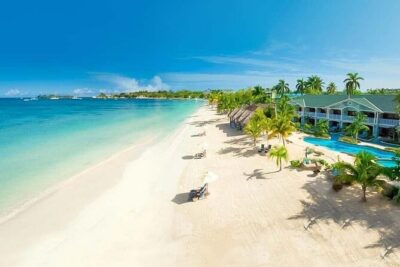
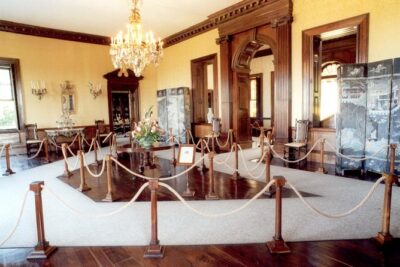
Doctor’s Cave and the bay suit a close-to-base day. Rose Hall sits east of town, Martha Brae and the lagoon continue toward Falmouth, and Negril takes the road west.


Choose your kind of afternoon.
Browse by pace and setting, then compare the pickup, duration and inclusions shown in each review.
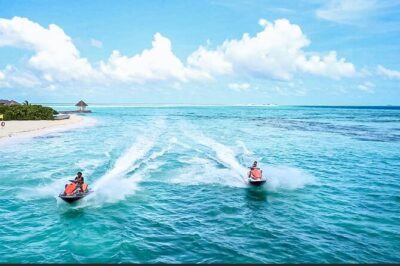


Worth leaving the bay for.
The long routes point in different directions. Go east for Dunn’s River and Blue Hole, west for Negril, inland for Nine Mile, or south-west for Appleton, YS Falls and Black River.

Build three different days from one base.
Keep arrival day close to the bay, choose one longer river or falls route, then leave enough space for the west-coast sunset. The order can move with weather and pickup times.
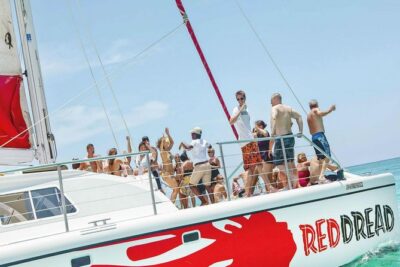 Day 1
Start close to the water
Choose a beach or short cruise near the bay and keep transfer time low after landing. Confirm the return point before adding an evening booking.
Plan day one →
Day 2
Choose one river or falls day
Choose a single eastbound falls route or a calmer river day. Combination tours can work, but the pickup time and admission list matter more than the number of stops.
Plan day two →
Day 1
Start close to the water
Choose a beach or short cruise near the bay and keep transfer time low after landing. Confirm the return point before adding an evening booking.
Plan day one →
Day 2
Choose one river or falls day
Choose a single eastbound falls route or a calmer river day. Combination tours can work, but the pickup time and admission list matter more than the number of stops.
Plan day two →
 Day 3
Leave the west-coast day open for sunset
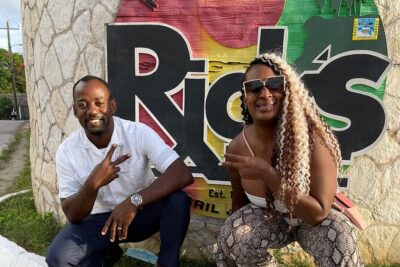
Negril and Rick’s Cafe make a natural westbound pairing. Check the sunset return time and how much independent beach time remains after the drive.
Plan day three →
Day 3
Leave the west-coast day open for sunset
Negril and Rick’s Cafe make a natural westbound pairing. Check the sunset return time and how much independent beach time remains after the drive.
Plan day three →
Newly published Montego Bay reviews
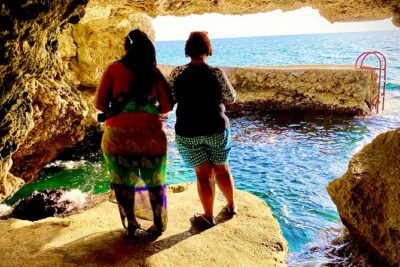 ★ 5.0Negril Seven Miles Beach And Ricks Cafe TourFrom $1203 reviews
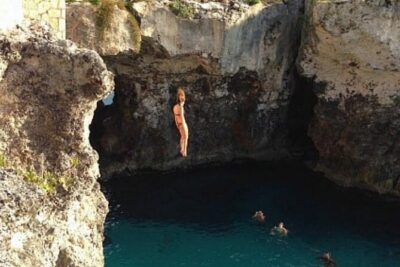 ★ 5.0“ATV Adventure & Rick’s Café Experience from Montego BayFrom $1233 reviews
 ★ 3.5Private Transfer Between Montego Bay Airport And FalmouthFrom $733 reviews
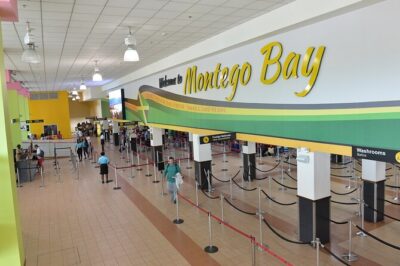 ★ 4.0Private Airport Transfer to Montego Bay HotelsFrom $213 reviews
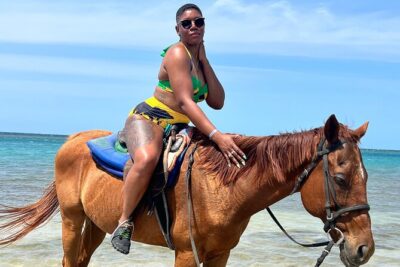 ★ 5.0Bamboo River Rafting with massage and Horseback ride in oceanFrom $2503 reviews
 ★ 5.0Private Airport transfer hotels in montegobayFrom $223 reviews
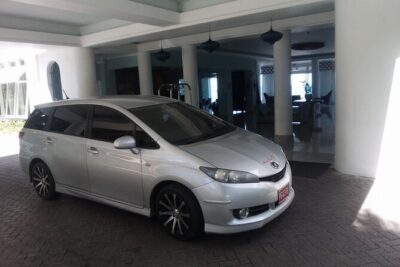 ★ 3.5Montego Bay Hotels Private Airport Transfer to Sangster International (MBJ)From $403 reviews
 ★ 3.5Bamboo Rafting & Horseback -dunns river Transportation IncludedFrom $2993 reviews